
Why Clean Bookkeeping Can Increase Your Business Valuation More Than You Think
Many founders focus on growing revenue when thinking about business value. Few realize that the way financial records are kept can quietly determine how attractive their business looks to investors, buyers, or lenders.
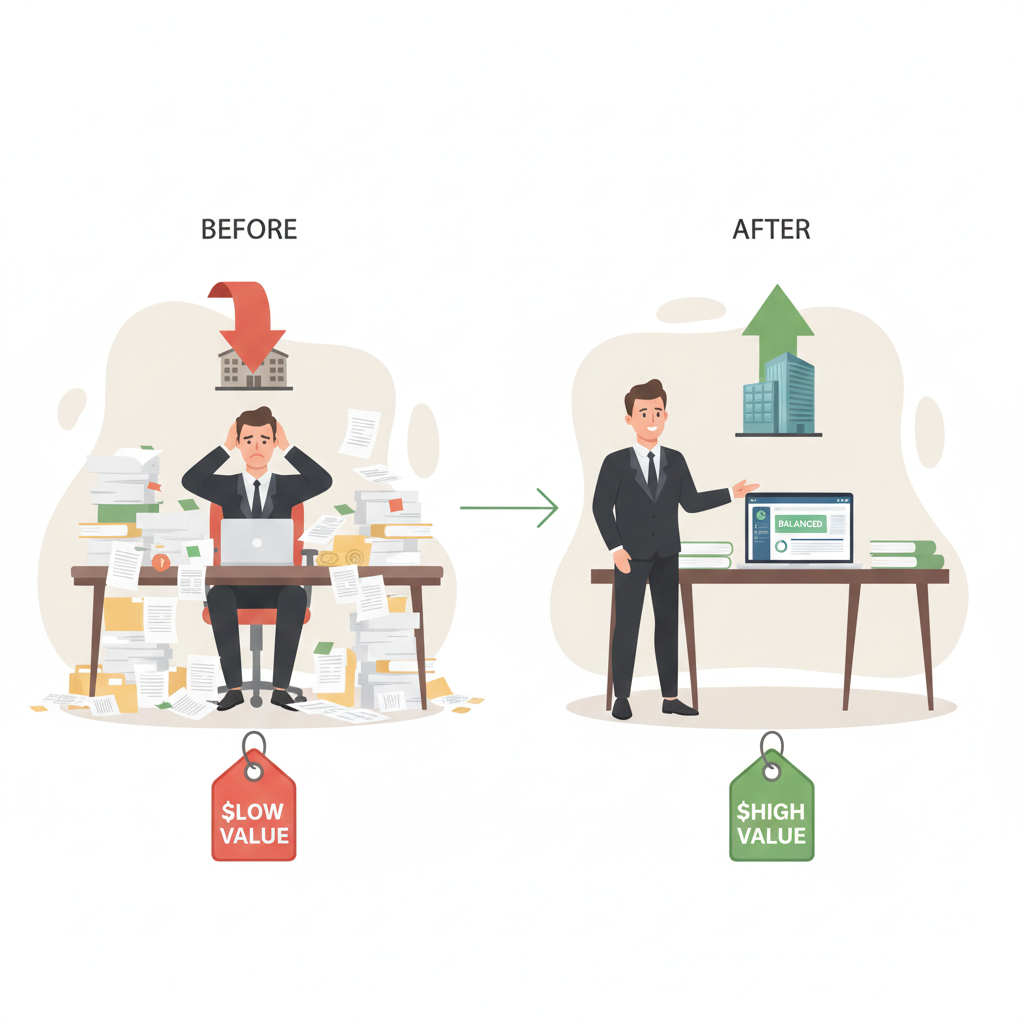
Bookkeeping is not just administrative work. It is the foundation of how outsiders assess risk, sustainability, and future potential. In many cases, clean books increase valuation more effectively than short term sales growth.
If you plan to raise capital, sell your business, or even apply for financing, bookkeeping plays a larger role than most owners expect.
Why Valuation Is Not Just About Revenue
Business valuation is about confidence. Buyers and investors want proof that numbers reflect reality and that operations are predictable.
Strong bookkeeping provides that confidence by showing:
• Consistent revenue recognition
• Reliable expense tracking
• Clear separation between business and personal transactions
• Accurate historical performance
When records are messy, valuation experts apply risk discounts. Even profitable businesses can lose value simply because financial data cannot be trusted.
This problem is common among founders who manage everything themselves. It is discussed further here:
When Doing Everything Yourself Starts Costing Your Business More
How Bookkeeping Directly Impacts Valuation Metrics
Valuation models rely heavily on financial statements. Poor bookkeeping weakens those inputs.
Clean books improve valuation by strengthening:
• EBITDA and profit quality
• Cash flow visibility
• Trend analysis over multiple periods
• Forecast reliability
If your balance sheet is unclear, valuation becomes guesswork. This is why experienced buyers look beyond profit and focus on financial structure. You can explore this deeper in:
Why the Balance Sheet Tells the Real Story of Your Business Health
The Due Diligence Reality Most Founders Underestimate
During due diligence, bookkeeping quality becomes non negotiable. Investors review historical transactions line by line, not just summary reports.
Red flags that lower valuation include:
• Inconsistent categorization of expenses
• Missing supporting documents
• Delayed reconciliations
• Revenue that does not match contracts or invoices
Even when issues are fixable, they often result in price reductions or delayed deals. Many businesses learn this too late.
As businesses grow, founders rarely have time to maintain accounting discipline. Outsourced bookkeeping brings structure, consistency, and accountability.
Professional bookkeeping ensures:
• Standardized reporting
• Timely reconciliations
• Audit ready documentation
• Scalability without internal overhead
For growing businesses, outsourcing is not about cost cutting. It is about protecting enterprise value. This transition is discussed in:
Should Small Business Owners Do Their Own Bookkeeping or Outsource It?
Valuation Is Built Long Before a Sale
Business value is not created at the negotiation table. It is built quietly through years of consistent financial discipline.
Founders who treat bookkeeping as a strategic function often enjoy:
• Higher valuation multiples
• Faster deal execution
• Stronger negotiating power
• Reduced buyer skepticism
Clean books tell a story of control, foresight, and maturity.
Final Thoughts
Valuation is not just about how much money your business makes. It is about how clearly that performance can be proven.
Clean bookkeeping does more than organize numbers. It builds trust, reduces perceived risk, and protects the value you are working hard to create.
Many founders focus on growing revenue when thinking about business value. Few realize that the way financial records are kept can quietly determine how attractive their business looks to investors, buyers, or lenders.
Bookkeeping is not just administrative work. It is the foundation of how outsiders assess risk, sustainability, and future potential. In many cases, clean books increase valuation more effectively than short term sales growth.
If you plan to raise capital, sell your business, or even apply for financing, bookkeeping plays a larger role than most owners expect.
Share Article